Commercial solar systems are a major investment for businesses, designed to reduce operating costs and improve long-term sustainability. But like any asset exposed to the elements, solar panels require
ongoing maintenance to continue performing at their best. One of the biggest and most overlooked factors affecting commercial solar performance is simply dirt buildup.
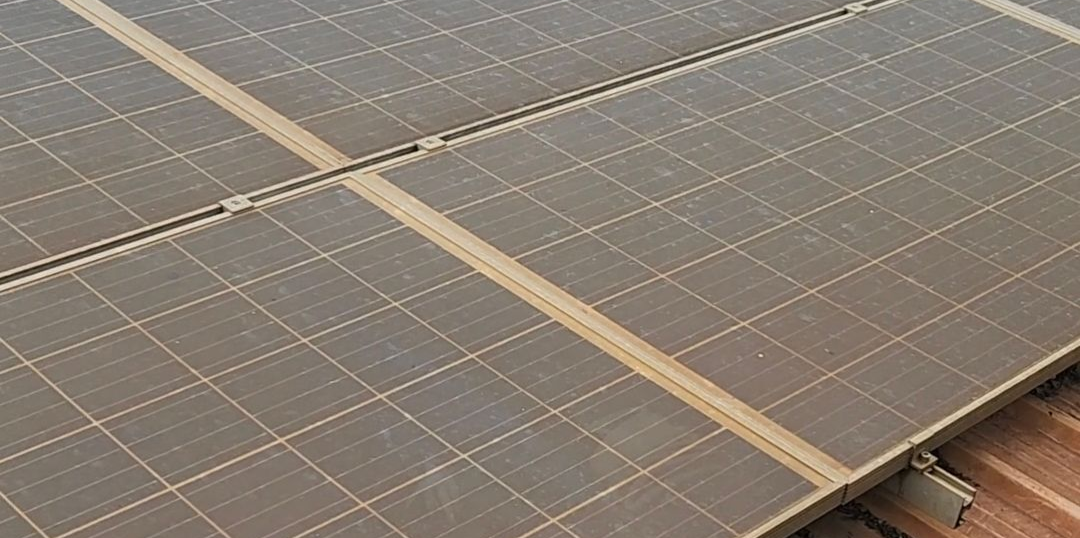
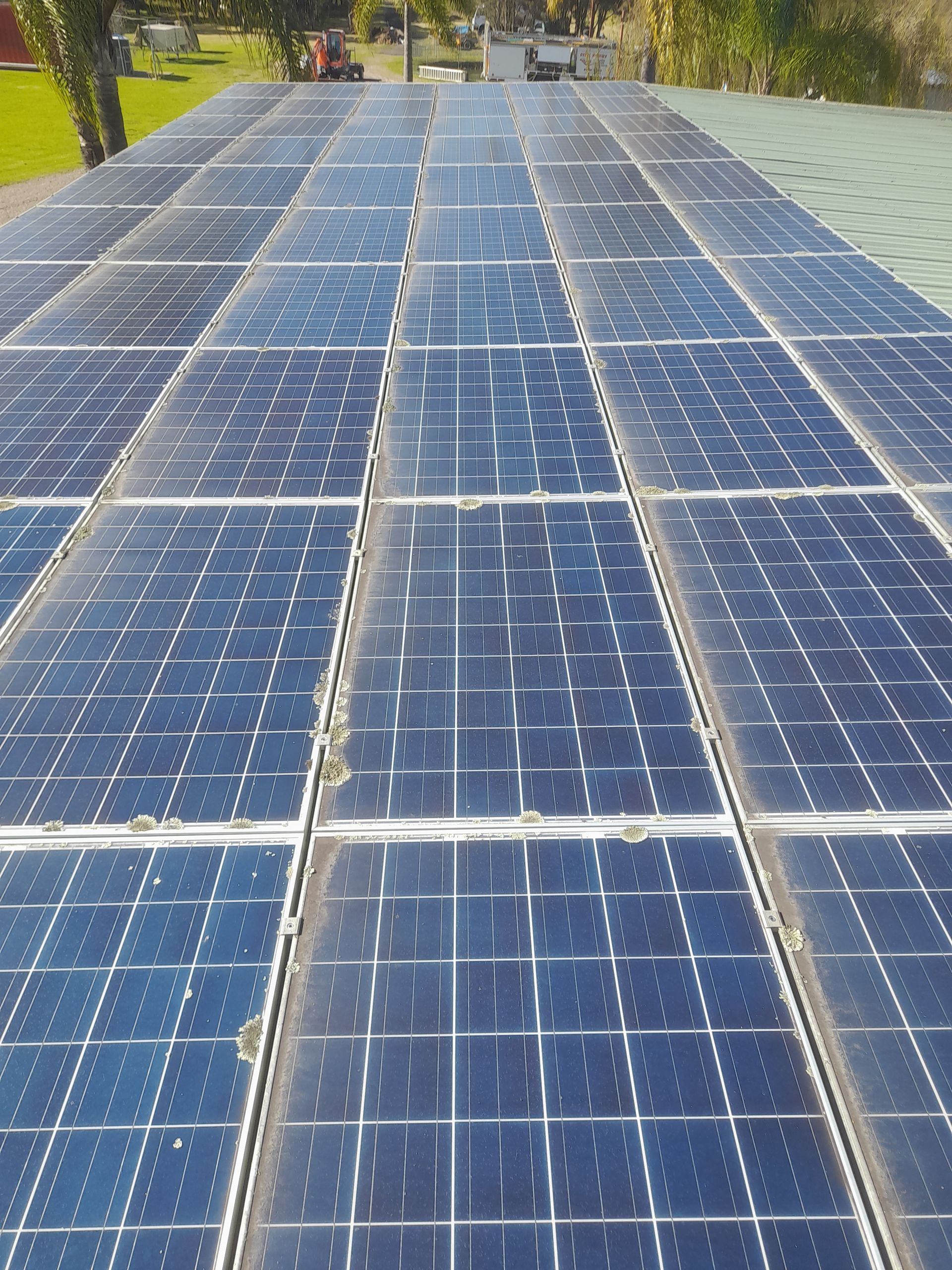
From industrial dust and pollution to bird droppings and organic debris, soiling can quietly reduce energy production long before the issue becomes obvious.
THE HIDDEN COST OF DIRTY SOLAR PANELS FOR BUSINESSES
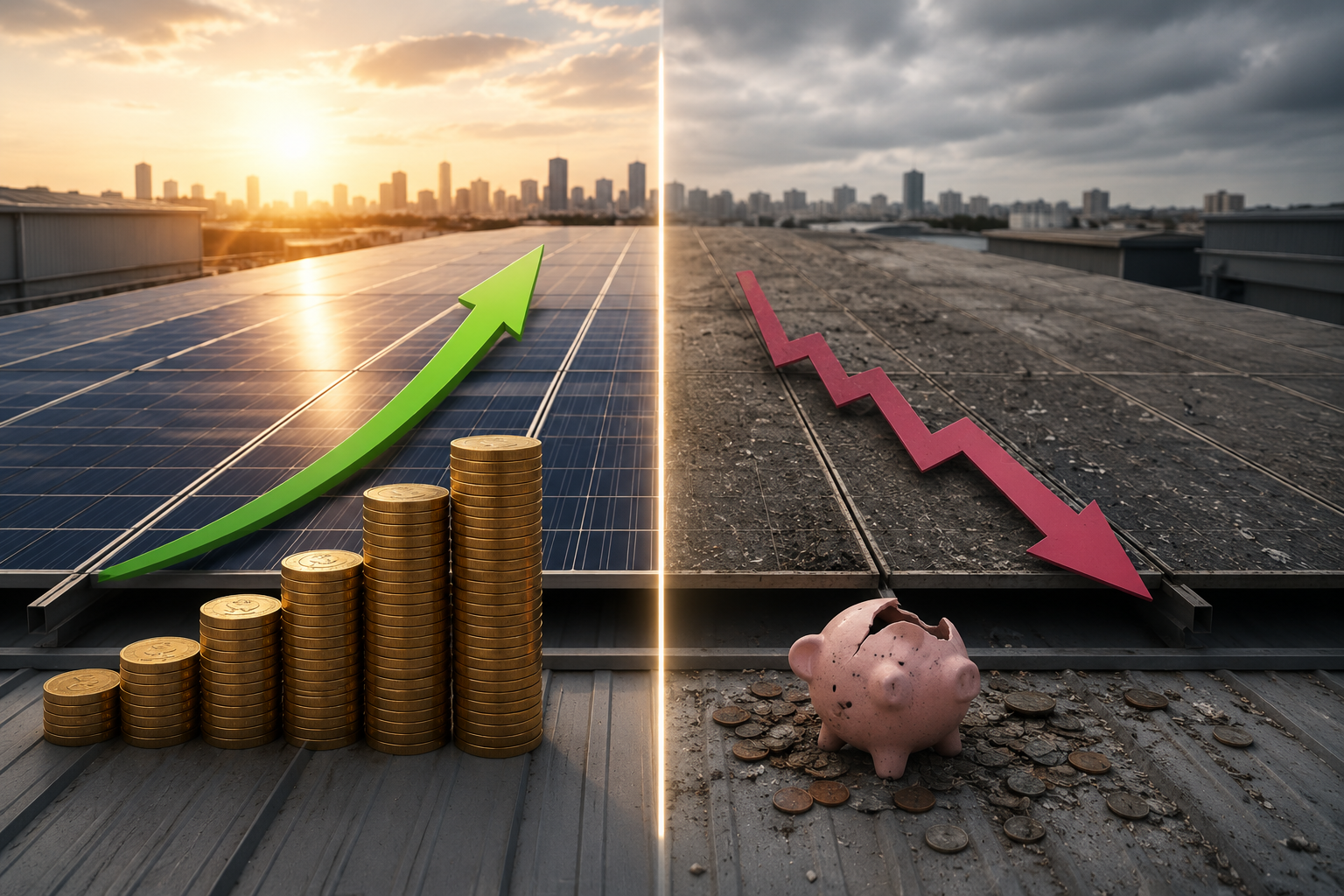
Commercial solar systems can lose anywhere from
10% to 40% of their energy output without regular cleaning, depending on the environment they operate in. For businesses relying on solar to reduce operational costs, that loss can quietly add up to thousands of dollars each year.
While solar is often viewed as a “set and forget” asset, the reality is that performance naturally declines when panels become covered in dust, pollution, bird droppings, or industrial debris.
WHY COMMERCIAL SOLAR PANELS GET DIRTY FASTER THAN PEOPLE REALISE
Commercial systems are often installed in environments that expose them to heavy contamination, including:
- Industrial dust
- Traffic pollution
- Bird activity
- Pollen and organic buildup
- Construction & production debris
Unlike residential systems, commercial arrays are usually much larger, meaning even a light layer of soiling can create significant cumulative losses across hundreds or thousands of panels.
HOW DIRT REDUCES SOLAR PERFORMANCE
Solar panels generate electricity by allowing sunlight to reach the photovoltaic cells beneath the glass surface.
When dirt or debris blocks sunlight:
- Less energy is produced
- Output becomes inconsistent
- Hotspots can develop in severe cases
One of the biggest misconceptions is that panels need to look “very dirty” before performance is affected. In reality, even a thin layer of dust across a large system can reduce efficiency noticeably over time.
THE REAL FINANCIAL IMPACT
WHY RAIN IS NOT ENOUGH
Rainwater helps remove loose debris, but it does not properly clean solar panels.
Rain often:
- Leaves residue behind
- Pushes dirt toward panel edges
- Fails to remove bird droppings or stubborn buildup
- Contributes to mud-like accumulation on lower panel sections
We regularly inspect systems that appear clean from the ground but are heavily contaminated upon closer inspection.
ROBOTIC SOLAR CLEANING vs MANUAL CLEANING
For large commercial systems,
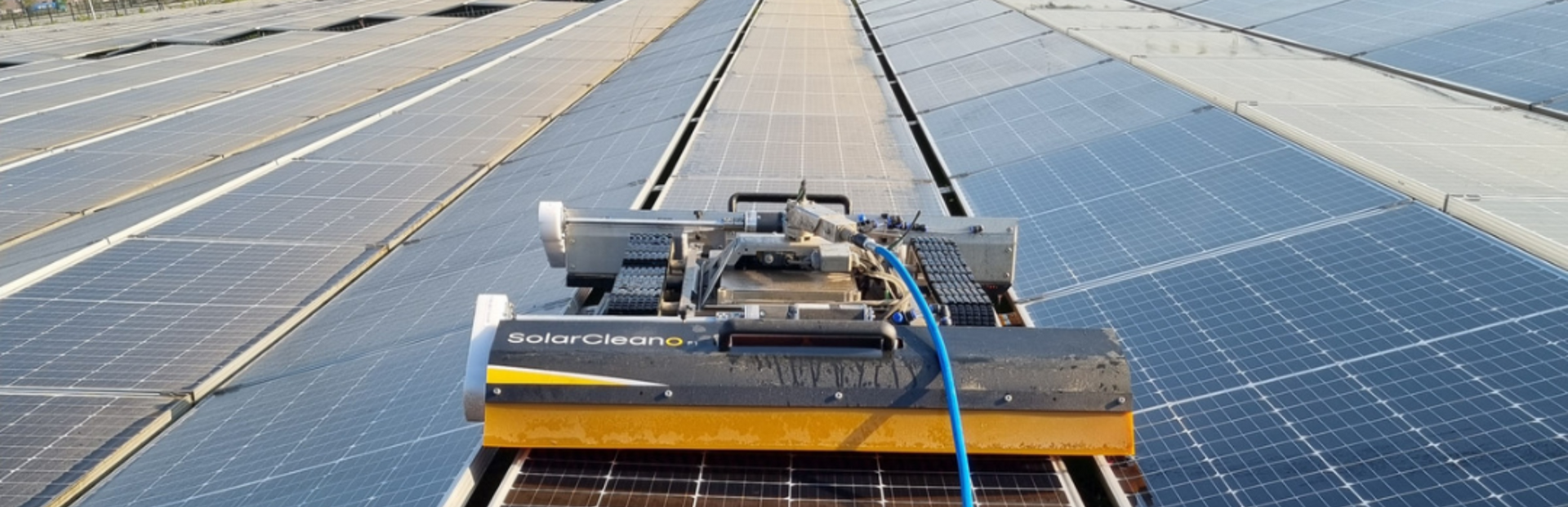
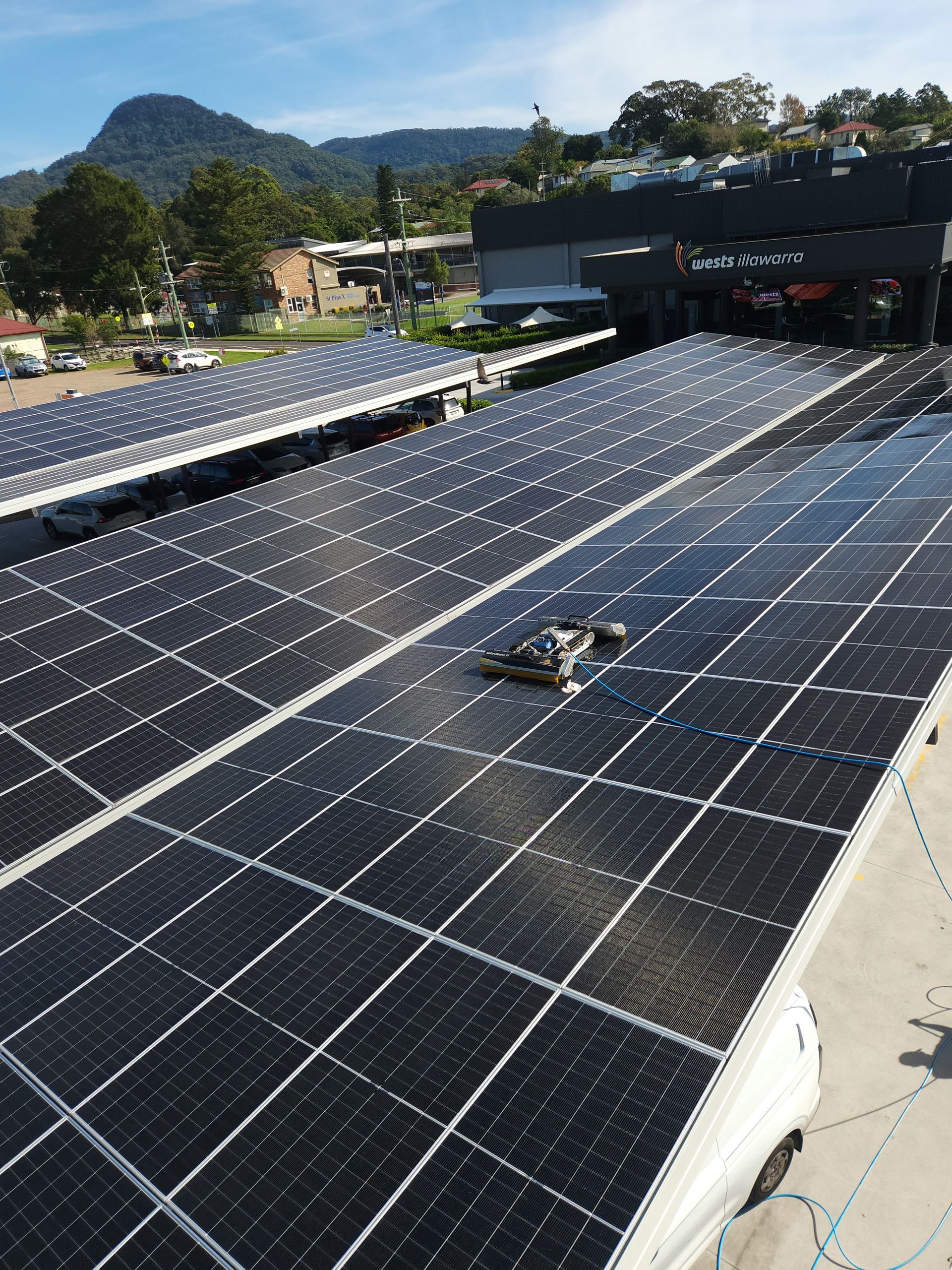
robotic cleaning technology has changed what is possible from both a safety and efficiency perspective.
Using robotic systems such as those developed by SolarCleano allows for:
- Faster project completion
- More consistent cleaning quality
- Reduced labour intensity
- Improved scalability for large systems
- Safer operations on expansive rooftops and solar farms
For many commercial sites, robotics make regular maintenance far more practical and cost-effective.
HOW OFTEN SHOULD COMMERCIAL SOLAR PANELS BE CLEANED?
The ideal frequency depends on the site environment.
General guidelines:
- Standard commercial sites: Every 6–12 months
- Industrial or dusty sites: Every 3–6 months
- High bird activity areas: More frequent inspections and maintenance recommended
The best approach is to assess:
- Environmental conditions
- Panel tilt angle
- Historical soiling patterns
- Performance monitoring data
TIP:
How dirty the roof is will give a good idea of how the solar panels will end up if no maintenance is put in place.
CLEANING IS ALSO AN INSPECTION OPPORTUNITY
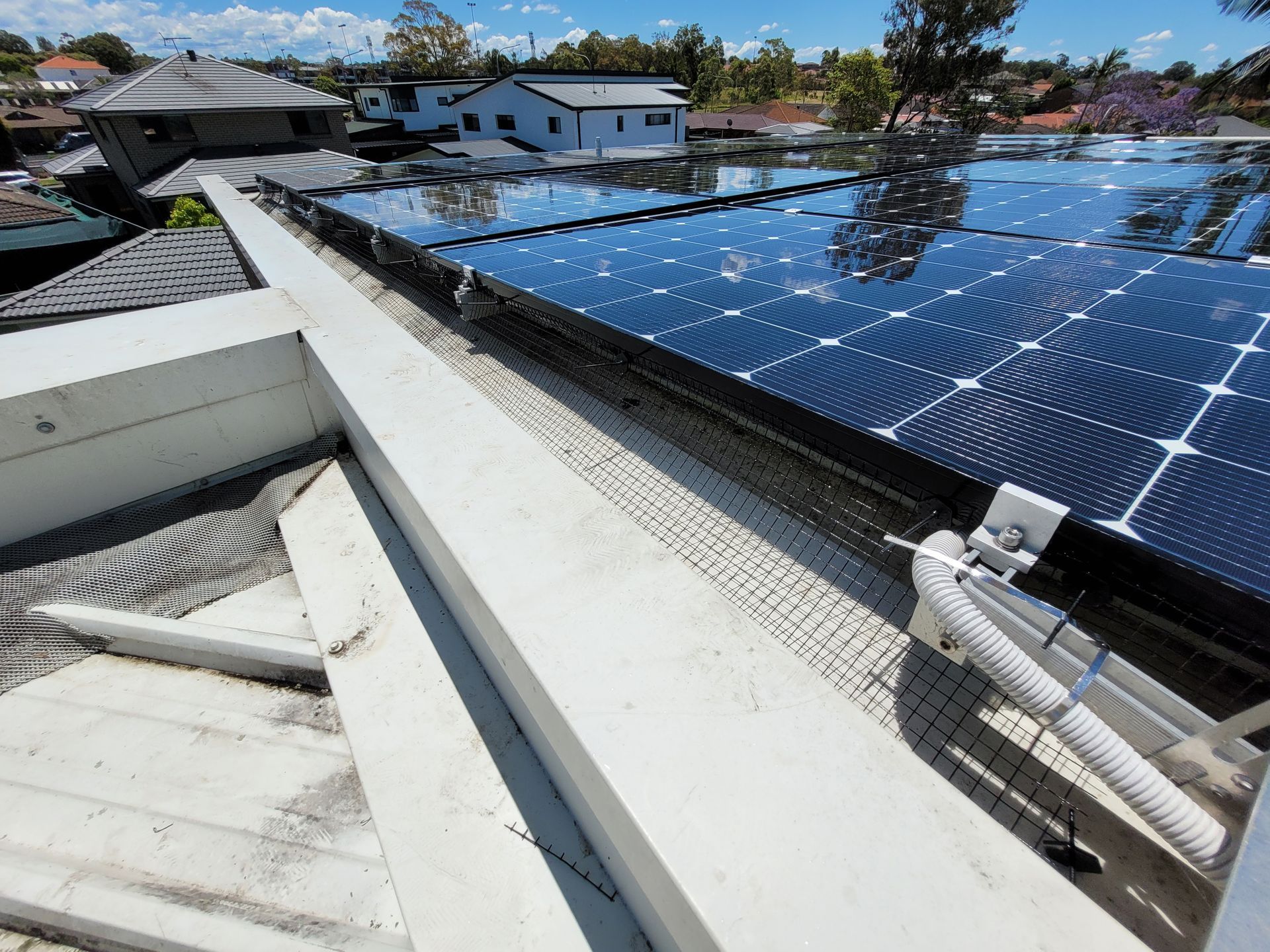
One of the overlooked benefits of commercial solar cleaning is that it creates an opportunity to identify issues before they become major failures.
During maintenance, problems such as the following are often discovered:
- Damaged panels
- Hotspots
- Cable management issues
- Loose isolators
- Bird nesting activity
- Water pooling and drainage issues
Proactive maintenance helps extend the lifecycle of the system and avoid larger repair costs later.
COMMERCIAL SOLAR MAINTENANCE AND "CIRCULAR SOLAR"
At Solar Shine Australia, we believe maintenance plays a major role in reducing unnecessary solar waste.
By keeping systems operating efficiently and identifying minor issues early, businesses can:
- Extend system lifespan
- Delay panel replacement
- Improve long-term ROI
- Reduce environmental impact
This proactive approach is part of what we refer to as
“Circular Solar”—maximising the usable life of solar assets through structured maintenance and stewardship.
FAQs
Is commercial solar cleaning worth it?
In most cases, yes. The increase in system performance and energy savings often outweighs the cost of cleaning.
Can dirty solar panels damage a system?
Long-term buildup can contribute to hotspots, reduced airflow, and uneven panel loading, which may impact system health over time.
How are large commercial solar systems cleaned safely?
Commercial systems are cleaned using specialised access methods, purified water systems, safety procedures, and increasingly, robotic cleaning technology.
How do I know if my commercial solar system needs cleaning?
Signs include visible buildup, reduced energy generation, bird activity, or monitoring data showing declining performance trends.