A commercial solar system can take months to design, approve and install, but once it is switched on, it might be expected to keep working for 20 years or more. That is the part of the solar lifecycle that often receives far less attention.
There is a huge amount of focus in the solar industry on getting systems installed, and rightly so. System size, panel choice, inverter selection, payback periods, energy savings and finance are all important parts of the process. But once the project is complete and the system is handed over, the conversation often becomes much quieter.
Who is actually looking after that system in year five, year ten or year fifteen?
Solar is a long-term asset
For a business, a large solar system is not just something sitting on the roof. It is a long-term asset, and in many cases a very expensive one. The return on that investment depends on the system continuing to operate properly over many years, so it makes sense that the way it is maintained should also be long term.
Solar is often promoted as being low maintenance, which is fair, but over time that can easily turn into the idea that it requires no maintenance at all. Those are two very different things.
A solar system still spends every day exposed to heat, rain, dust, pollution, birds, leaves, moisture and general wear. On top of that, every site has its own operating environment. An industrial facility with extraction vents, trucks and airborne dust will behave very differently to a club, school, office building or shopping centre.
That is why there really is no single maintenance schedule that suits every commercial solar system.
What changes after installation?
The day a solar system is commissioned, it is probably in the best condition it will ever be in. From that point on, the system starts reacting to the environment around it.
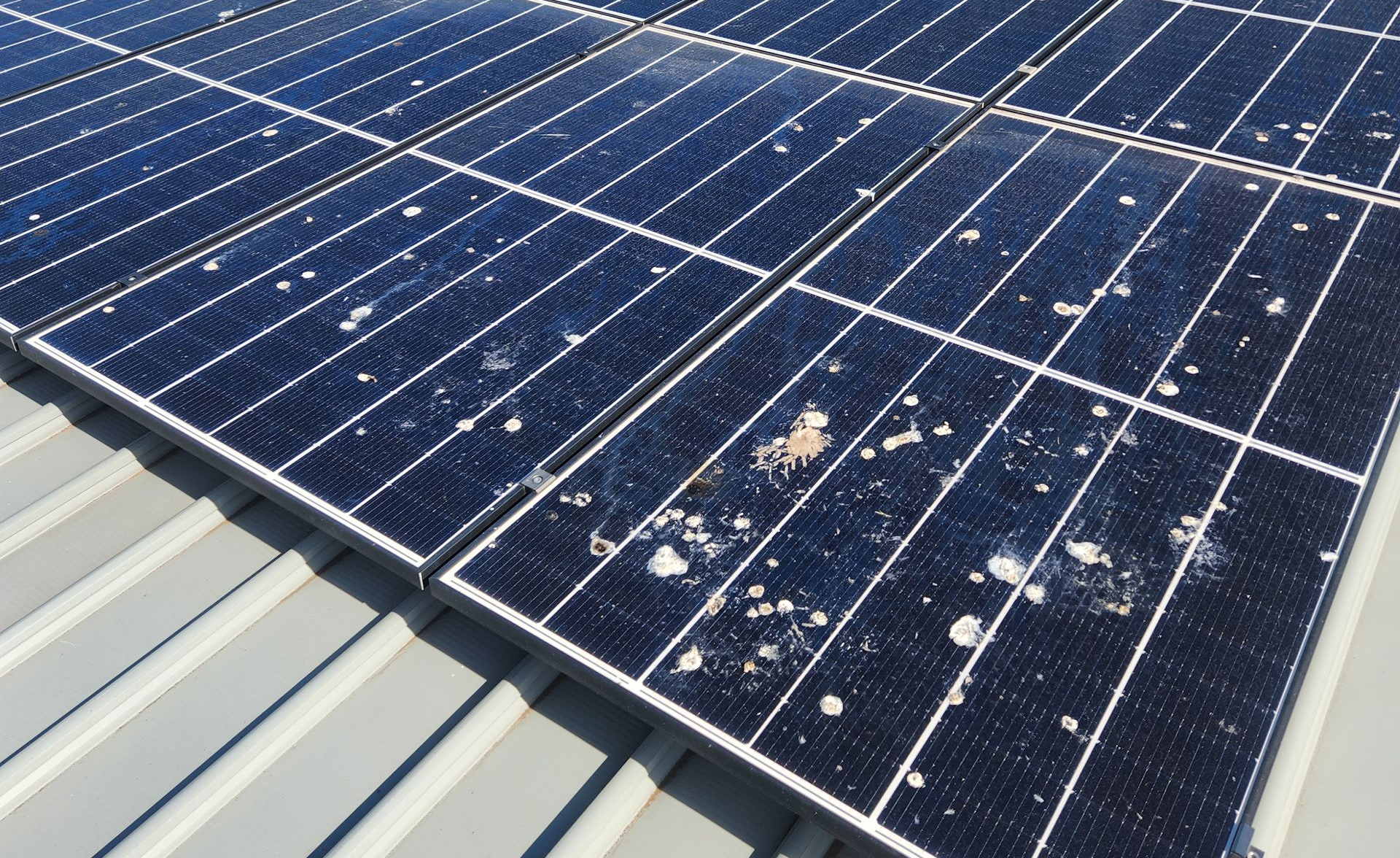
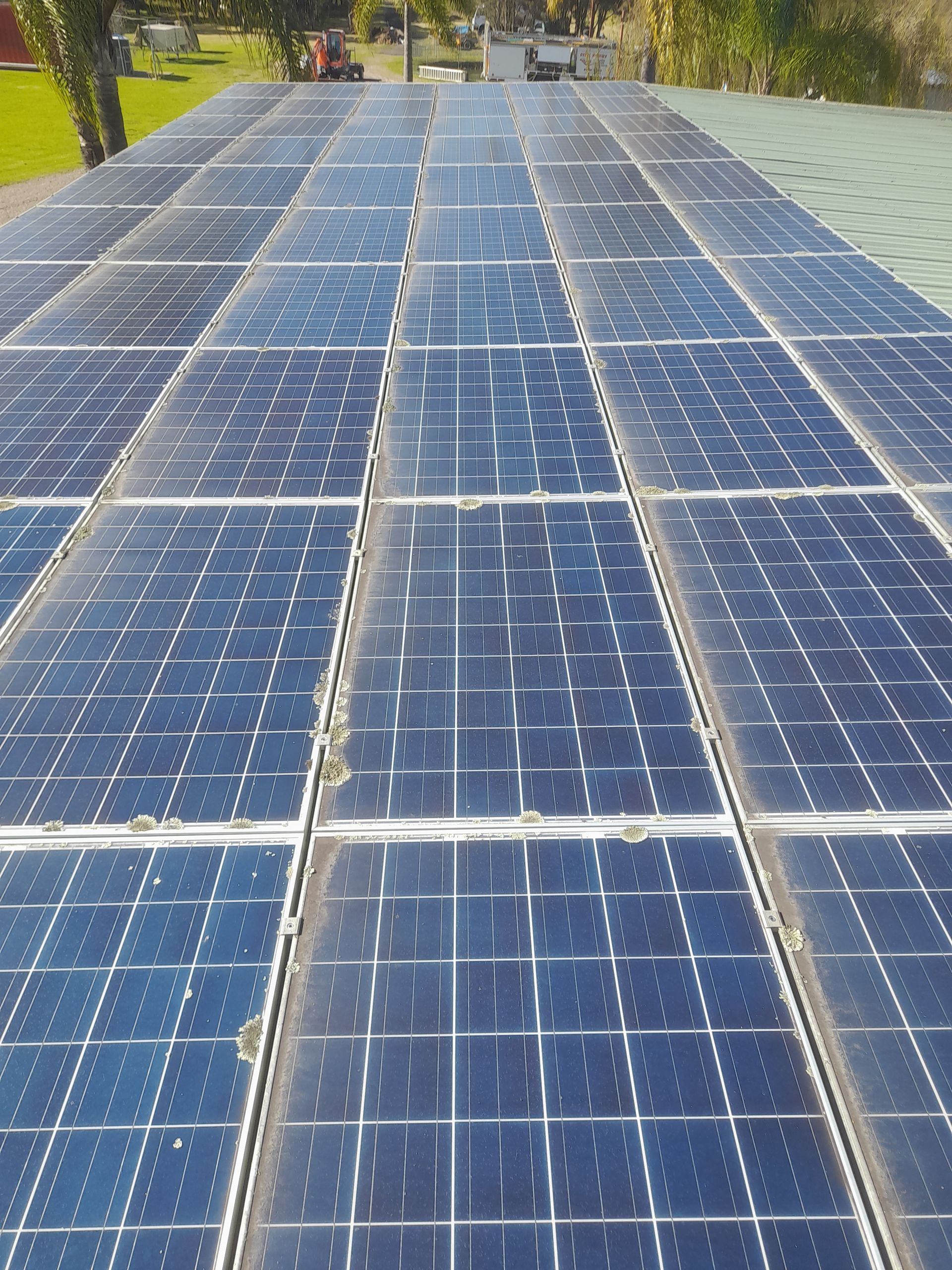
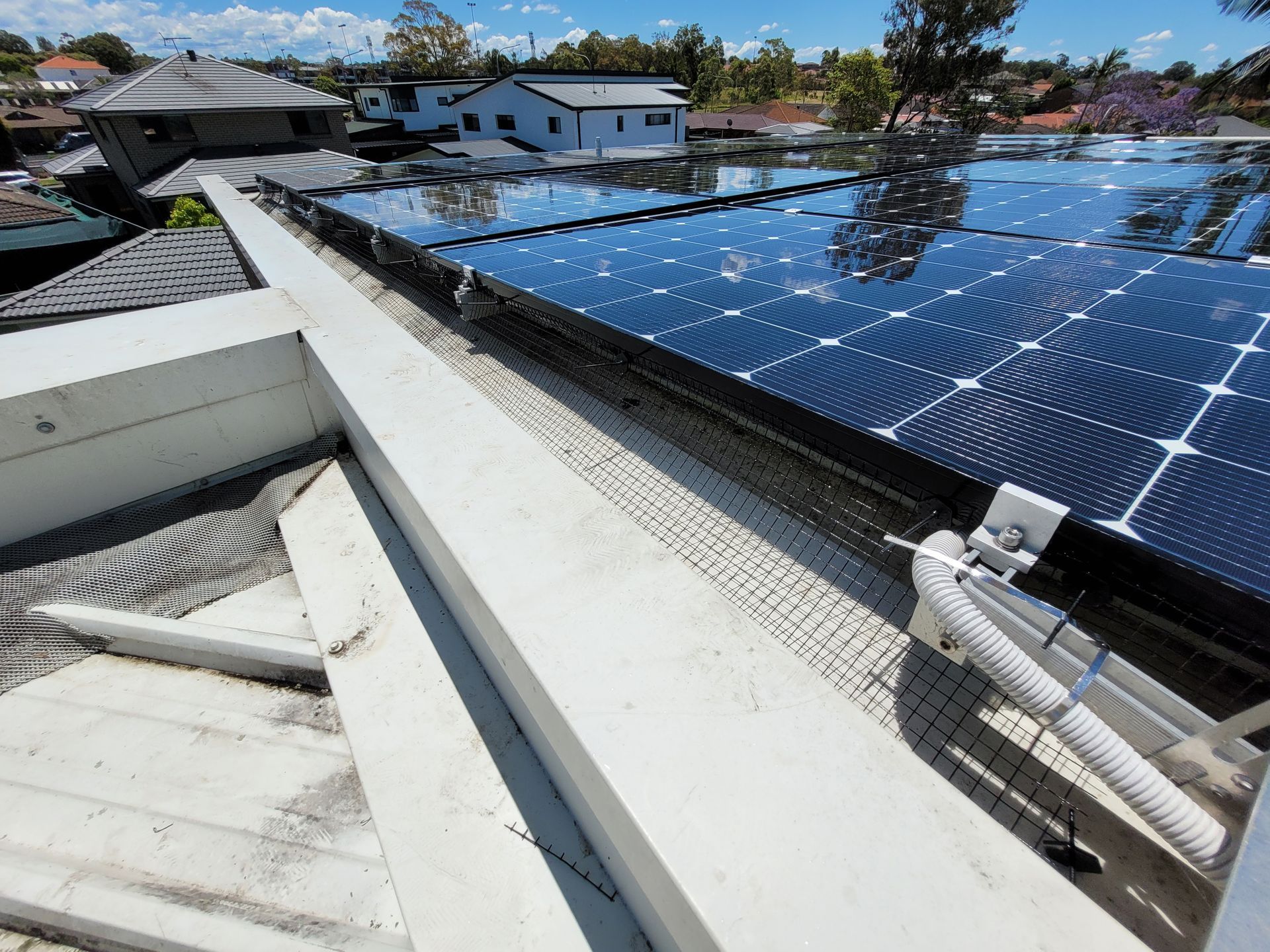
Panels get dirty, birds can find places to nest, leaves and debris can build up underneath arrays, cable management can deteriorate and components naturally age. Trees grow, new equipment gets installed on rooftops and the way a site operates can change over time.
None of those things automatically mean there is a serious problem, but if nobody is regularly looking at the system, small issues can sit there unnoticed for years.
That is where
ongoing maintenance becomes important.
Cleaning is only one part of it
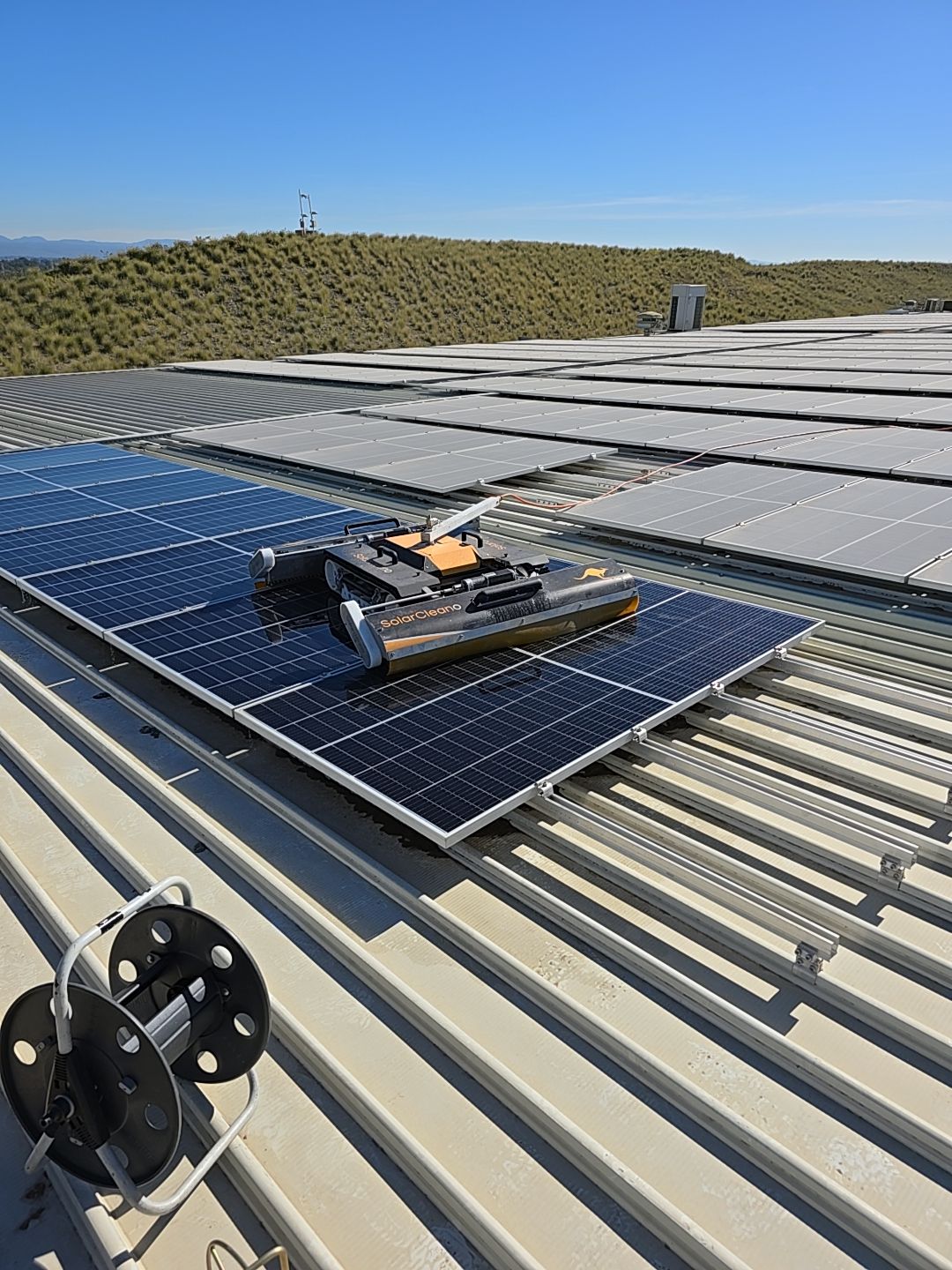
Cleaning obviously matters because if a panel is covered in dirt or contamination, less sunlight reaches the cells. On a large system, even a relatively small reduction in performance across hundreds or thousands of panels can add up over time.
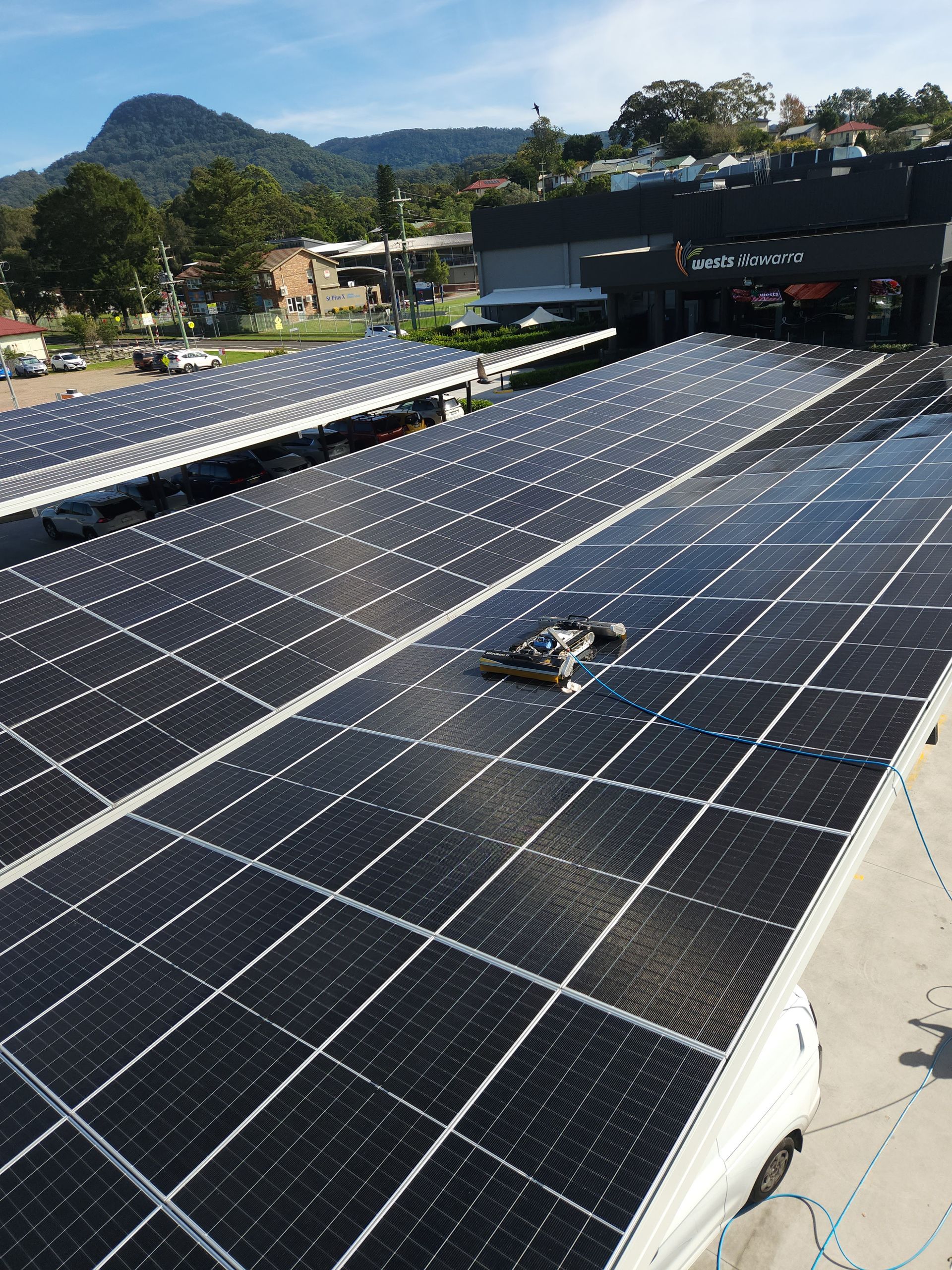
One of the biggest benefits of regular cleaning and maintenance, however, is simply having somebody physically on the system and looking at what is happening.
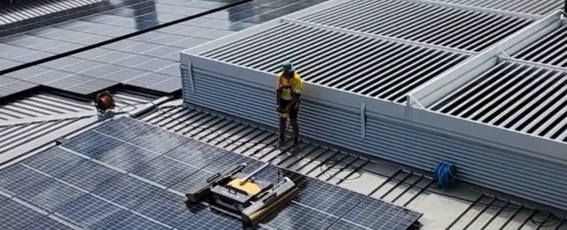
When a commercial array is being maintained, the focus should not only be on getting the glass clean. It is also an opportunity to look for changes in the array and the environment around it. Is debris starting to build up? Are birds getting underneath the panels? Is there visible damage? Are cables and components still where they should be? Is there anything that looks different from the previous visit and needs further investigation?
A visual inspection does not replace proper electrical testing or system monitoring, but it adds another layer of visibility over the asset. On a large commercial installation, that can be very valuable.
Planned maintenance works better than waiting for a problem
Who owns the system after handover?
This is one of the bigger questions the commercial solar industry needs to think about.
When a system is installed, there are usually a lot of people involved. There may be the solar company, engineers, electricians, the customer, facility managers, consultants and sometimes financiers or energy managers.
Then the project gets completed, the system is commissioned and everyone moves on to the next job.
What happens after that can be much less clear.
Who is responsible for checking performance? Who decides when the panels should be cleaned? Who is inspecting the physical condition of the array? Who is keeping maintenance records, and who follows up when something does not look right?
On a small system, those questions may not seem especially significant. On a large commercial installation, where there may be hundreds or thousands of panels and a substantial amount of money invested, they become far more important.
Maintenance should be part of the original conversation
That does not mean every customer needs to sign up to a large maintenance contract on day one. It simply means somebody should be thinking about how the asset is going to be managed over the long term.
How will the system be accessed safely? What is the environment around the site likely to do to the panels?
How will performance be monitored? How often should the system be inspected? Is cleaning likely to be required annually, every six months or on a different schedule altogether?
Most importantly, who is responsible for making sure those things actually happen?
Those questions are much easier to answer when the system is being designed than five years later when nobody is quite sure when it was last inspected or properly maintained.
The goal should be getting the full life out of the system
This is ultimately the bigger issue.
The success of commercial solar should not be measured purely by how many systems are installed. It should also be measured by how long those systems continue operating effectively.
If a commercial solar system is expected to last 20 or 25 years, then getting as close to that full working life as possible should matter. That is better for the customer, better for the return on investment and better from a sustainability point of view as well.
Replacing equipment earlier than necessary creates more waste, more cost and more demand for new materials. If better monitoring, inspection, cleaning and preventative maintenance can help keep solar assets operating for longer, then that deserves more attention.
Solar is low maintenance, but it is not no maintenance
That distinction is important.
Commercial solar does not need constant attention, but it should not be forgotten about either. In most cases, the right approach is fairly straightforward: understand the environment the system is operating in, monitor how it is performing, inspect it periodically, clean it when the site conditions require it and deal with small issues before they have a chance to become larger ones.
A lot of work goes into getting a commercial solar system onto a roof. The same level of thought should go into what happens during the next 20 years.
At
Solar Shine Australia, the focus is on helping businesses look after the solar assets they have already invested in and get as much useful life and value from them as possible.
FAQs
How often should commercial solar panels be cleaned?
There is no single cleaning schedule that suits every commercial solar system. The right frequency depends on the site, surrounding environment, panel angle, nearby trees, bird activity, dust levels and any industrial processes operating nearby. Some sites may only need annual cleaning, while higher-contamination environments may benefit from cleaning every six months or more frequently.
What does commercial solar maintenance include?
Commercial solar maintenance can include panel cleaning, visual inspections, checking for debris or bird activity, reviewing cable condition and looking for obvious signs of damage or deterioration. Depending on the maintenance program, it may also include electrical testing, thermal imaging, inverter checks and system performance monitoring.
Why is regular maintenance important for large commercial solar systems?
Large commercial solar systems are significant long-term assets, often expected to operate for 20 years or more. Regular maintenance helps keep the system in good condition, identify developing issues earlier and reduce the risk of contamination or faults going unnoticed for long periods. It also helps protect the system’s long-term performance and return on investment.
Is commercial solar really maintenance-free?
No. Solar is generally low maintenance, but that does not mean it requires no maintenance. Panels and system components are exposed to weather, dirt, birds, debris and changing site conditions throughout their operating life. A planned maintenance approach helps ensure the system continues to be looked after well beyond the initial installation.